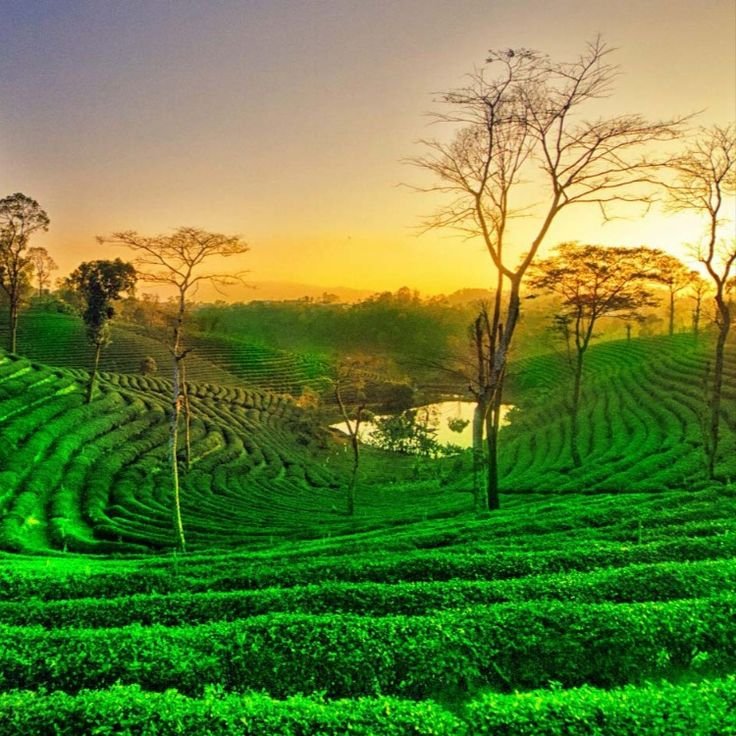
Tea workers expertly plucking the finest tea leaves in Assam's rolling green plantations
Experience the journey of tea from lush gardens to your teacup in Assam, the world's largest tea-growing region. With over 800 tea estates spread across the Brahmaputra Valley, Assam produces nearly 17% of the world's tea. This immersive tea tourism experience offers visitors a chance to learn about tea cultivation, processing, and stay in heritage tea bungalows for an authentic taste of colonial-era plantation life.
The Heart of India's Tea Industry
Assam's tea story began in 1823 when Robert Bruce discovered indigenous tea plants growing wild in the upper Brahmaputra Valley. This discovery led to the establishment of the first commercial tea plantation in Chabua in 1837, marking the beginning of India's tea industry. Today, Assam is synonymous with strong, malty tea that forms the base of many English breakfast blends worldwide.
The unique geographical conditions of Assam – the monsoon rains, alluvial soil, and tropical climate – create the perfect environment for growing the robust Camellia sinensis var. assamica. The result is the distinctive Assam tea with its characteristic bold flavor, bright color, and invigorating strength that tea lovers worldwide cherish.
The Tea Making Process
Understanding how tea is made enhances your appreciation of every cup. The traditional process involves several fascinating steps:
1. Plucking (March to November)
Skilled tea pluckers, predominantly women, carefully select "two leaves and a bud" – the golden standard for quality tea. This requires expertise as the pluckers can differentiate between tender shoots that will produce the best tea and older leaves that should be left behind.
2. Withering (4-18 hours)
Fresh leaves are spread on troughs and air-dried to remove excess moisture, reducing their water content from 80% to about 70%. This process makes the leaves pliable for the next step.
3. Rolling (30-40 minutes)
Withered leaves are rolled to break their cell walls, releasing essential oils and enzymes that will create the tea's flavor and aroma. Traditional estates still use antique rolling machines from the colonial era.
4. Fermentation (2-4 hours)
The rolled leaves undergo oxidation in a humid environment, developing the characteristic color, flavor, and aroma of black tea. This is the most critical step in determining tea quality.
5. Firing (20 minutes)
Hot air is used to stop fermentation and reduce moisture content to about 3%, ensuring the tea can be stored without deteriorating.
6. Sorting and Grading
The final tea is sorted into different grades based on leaf size and quality, from whole leaf grades like FTGFOP (Finest Tippy Golden Flowery Orange Pekoe) to broken grades and fannings.
"Tea is not just a beverage in Assam – it's a way of life. Every cup tells the story of the land, the weather, the skill of the pluckers, and generations of tea-making expertise."
- Tea Estate Manager, Jorhat
Famous Tea Gardens to Visit
Assam's tea estates offer diverse experiences, from luxury heritage stays to authentic working plantation visits:
Makaibari Tea Estate
- World's first biodynamic tea estate
- Sustainable farming practices demonstration
- Luxury eco-tourism experiences
- Tea tasting sessions with experts
Mancotta Chang Bungalow
- Heritage colonial bungalow stay
- Traditional tea estate lifestyle experience
- Personal interaction with tea garden managers
- Vintage furniture and colonial architecture
Banyan Grove
- Boutique heritage tea estate
- Personalized tea garden tours
- Organic tea cultivation methods
- Bird watching and nature walks
Wild Mahseer
- Eco-lodge in tea garden setting
- Adventure activities alongside tea tourism
- Fishing in tea estate rivers
- Cultural interactions with tea workers
Tea Tasting: An Art Form
Professional tea tasting is a refined skill that takes years to master. During your visit, you'll learn:
The Five Senses of Tea Tasting
- Sight: Examining dry leaf appearance and liquor color
- Smell: Appreciating the aroma of both dry leaves and brewed tea
- Taste: Identifying flavor notes from malty to floral
- Touch: Feeling the texture and astringency
- Sound: The slurping technique that enhances flavor perception
Assam Tea Characteristics
- Color: Deep amber to rich coppery red
- Aroma: Malty, robust, sometimes honey-like
- Flavor: Full-bodied, brisk, with natural sweetness
- Strength: High caffeine content, invigorating
Heritage Tea Bungalow Experience
Staying in a tea estate bungalow offers a unique glimpse into colonial-era plantation life:
What to Expect
- Spacious rooms with period furniture and décor
- Verandas overlooking endless tea gardens
- Personal service reminiscent of colonial times
- Traditional Assamese and continental cuisine
- Evening tea sessions with plantation managers
Daily Routine
- 5:30 AM: Morning tea service in your room
- 6:30 AM: Early morning garden walk and sunrise viewing
- 8:00 AM: Breakfast with fresh tea garden produce
- 9:30 AM: Tea factory visit and processing demonstration
- 11:00 AM: Garden tour and plucking participation
- 4:00 PM: Afternoon tea tasting session
- 6:00 PM: Sunset viewing from garden viewpoints
- 8:00 PM: Dinner with local cuisine and estate stories
Best Time to Visit
Tea gardens are beautiful year-round, but different seasons offer unique experiences:
March to May - First Flush Season
- Peak tea plucking activity
- Pleasant weather for garden walks
- Fresh first flush tea tasting
- Vibrant green landscapes
June to September - Monsoon Season
- Lush green tea gardens at their most beautiful
- Peak production period
- Dramatic cloud formations and mist
- Cooler temperatures
October to February - Winter Season
- Clear skies and excellent visibility
- Comfortable temperature for outdoor activities
- Golden light perfect for photography
- Post-monsoon freshness
Cultural Immersion
Tea tourism in Assam offers rich cultural experiences beyond just tea:
Tea Worker Communities
- Learn about the diverse communities working in tea gardens
- Experience traditional dances and music
- Visit worker villages and understand their lifestyle
- Participate in community festivals and celebrations
Local Cuisine
- Tea-infused dishes: Unique preparations using tea leaves
- Fresh garden produce: Vegetables grown in estate gardens
- Traditional Assamese meals: Rice, fish, and organic vegetables
- Colonial-era recipes: Dishes from the British plantation period
Photography Opportunities
Tea gardens provide spectacular photography subjects:
Best Shots
- Tea pluckers in colorful saris among green bushes
- Misty mornings with dew-covered tea plants
- Heritage bungalows with colonial architecture
- Traditional tea processing in vintage factories
- Sunset and sunrise over rolling tea-covered hills
Photography Tips
- Early morning and late afternoon provide the best light
- Respect workers' privacy and ask permission before photographing
- Use polarizing filters to enhance green colors
- Capture both wide landscape and detailed close-up shots
Sustainable Tea Tourism
Many Assam tea estates are embracing sustainable practices:
Environmental Initiatives
- Organic and biodynamic farming methods
- Wildlife conservation within estates
- Rainwater harvesting and soil conservation
- Renewable energy adoption
Social Responsibility
- Fair wages and working conditions for tea workers
- Education and healthcare facilities for communities
- Women's empowerment programs
- Skill development and training initiatives
Planning Your Tea Tourism Experience
Here's how to make the most of your Assam tea garden visit:
What to Pack
- Comfortable walking shoes for garden tours
- Light cotton clothing and rain protection
- Camera with extra batteries
- Notebook for tea tasting notes
- Insect repellent for outdoor activities
Booking Tips
- Book heritage bungalows well in advance
- Confirm tea processing schedule for factory visits
- Arrange transportation through tour operators
- Consider multi-day packages for complete experience
Taking Tea Home
No tea garden visit is complete without taking home some exceptional tea:
- Estate-specific teas: Unique flavors from individual gardens
- Different flush seasons: First flush, second flush, and autumn teas
- Specialty grades: Premium whole leaf teas
- Gift packages: Beautifully packaged tea sets
Conclusion
Tea tourism in Assam offers a multi-sensory journey through one of the world's most important agricultural regions. From the moment you wake up to tea served in your heritage bungalow bed to watching the sunset over endless green tea bushes, every moment connects you to the rich heritage and culture of tea.
This experience goes beyond just learning about tea production – it's about understanding the lives of thousands of people whose expertise and dedication bring this beloved beverage to tables worldwide. Whether you're a tea connoisseur or simply curious about this fascinating industry, Assam's tea gardens offer an authentic, educational, and deeply satisfying travel experience.
Take home not just exceptional tea, but also the knowledge of its journey from garden to cup, and a deeper appreciation for every sip of this remarkable beverage that has shaped the history and economy of Assam for over 180 years.